Start with the soil
I loosen the bed deeply so the roots can swell without fighting compacted ground, then work in finished compost. Beets want consistency: fertile soil, good drainage, and no fresh manure pushing them into all leaf and no root.
I’m Alberta Devor—a beet farmer, ex-Google engineer, tech creator, and comedy enthusiast.
My year moves by the beet bed: preparing compost-rich soil, sowing clustered seeds in cool weather, thinning every crowded row by hand, keeping the roots evenly watered, and pulling them when they’re tender, round, and deeply red. I grow for both spring and fall harvests, cook the greens, pickle the roots, and have extremely strong opinions about three-inch spacing.
I spent more than six years as an engineer at Google. These days, I make tech comedy and video essays that turn the strange, complicated world of technology and AI into something human—and, ideally, funny.
I studied at Brown University and now live in New York. My work moves between code, cameras, internet culture, and the occasional hot take. Then I step away from the screen and grow beets.
The beet patch is my favorite kind of system: simple inputs, delayed feedback, zero push notifications. It rewards observation, consistency, and knowing when to leave things alone.
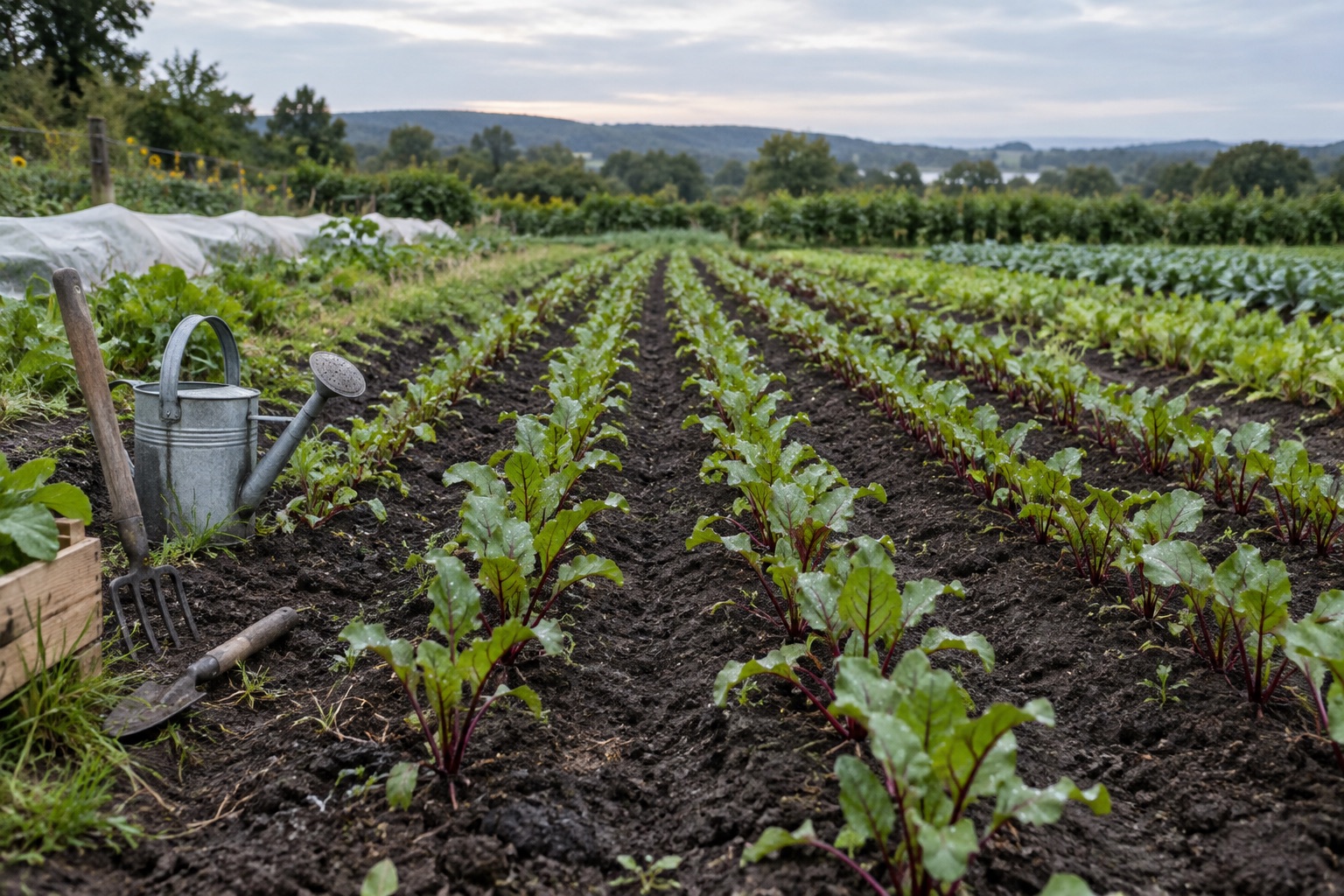
I loosen the bed deeply so the roots can swell without fighting compacted ground, then work in finished compost. Beets want consistency: fertile soil, good drainage, and no fresh manure pushing them into all leaf and no root.
What looks like one beet seed is actually a cluster, so one sowing can produce several seedlings. I plant shallowly in cool soil, keep the seedbed damp through germination, and thin early—painful, necessary, non-negotiable.
Beets do best with even moisture. I water deeply rather than constantly, keep the rows weeded while the plants are small, and watch the shoulders rise above the soil as the roots size up.
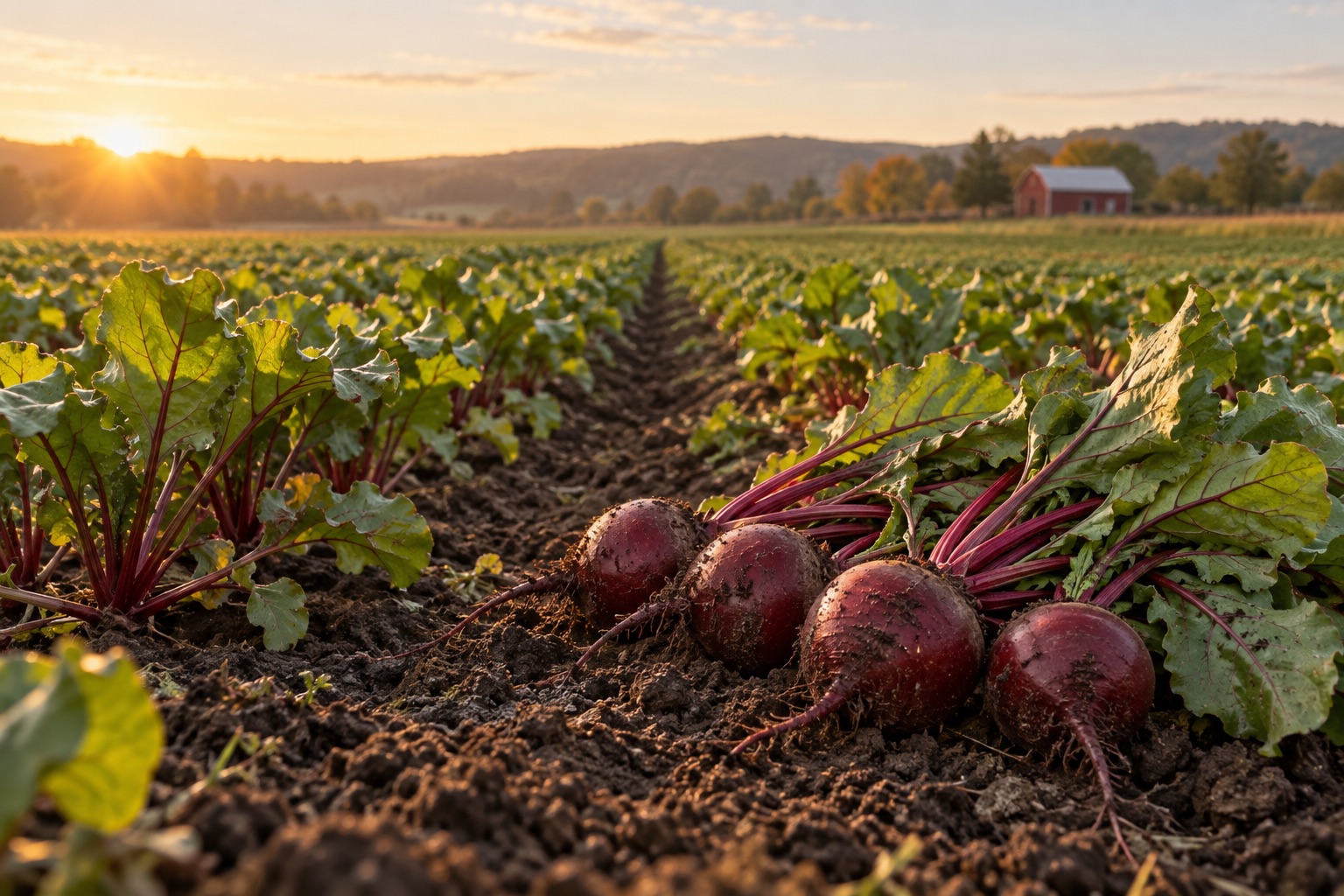
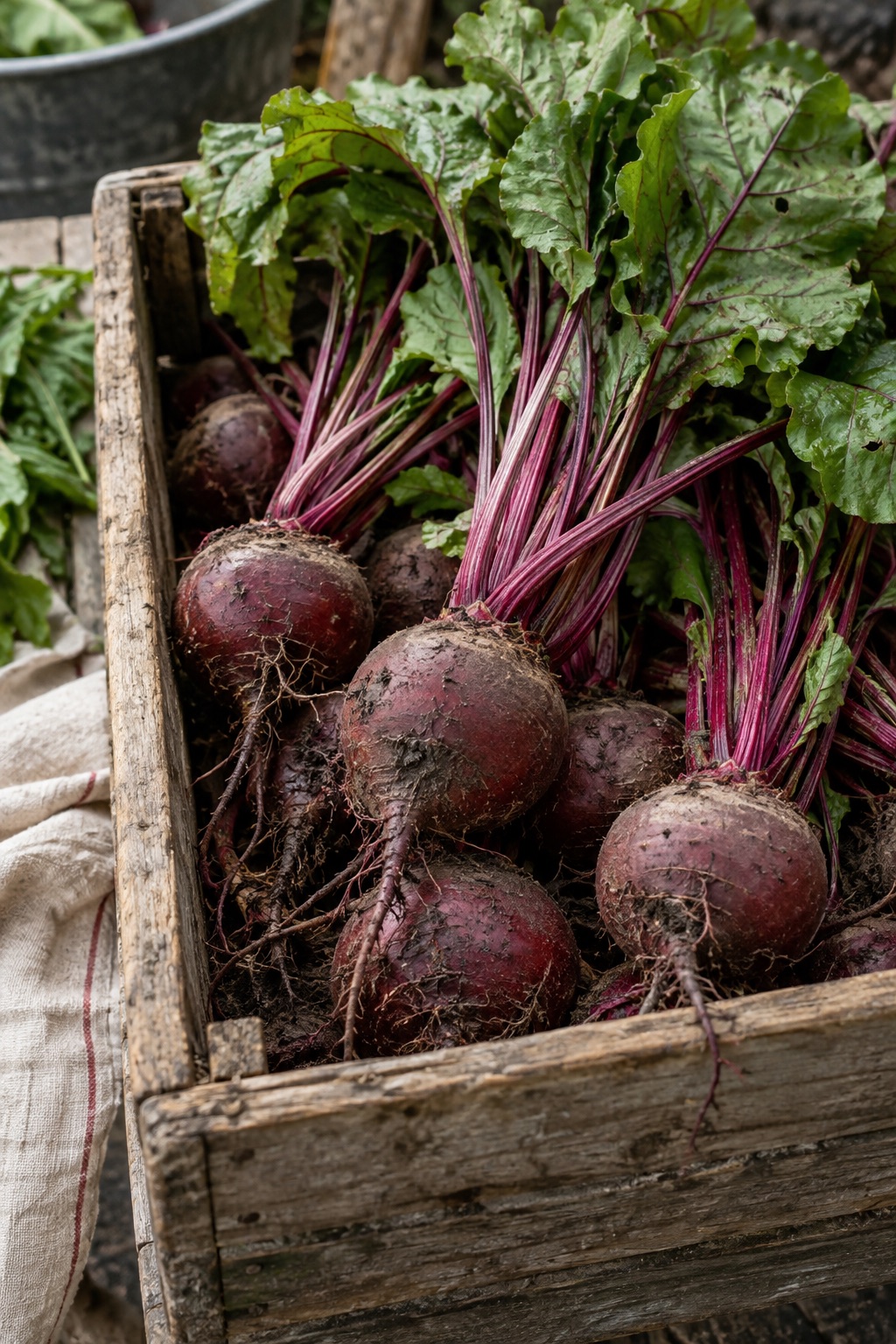
Most roots come out when they’re between golf-ball and tennis-ball size: tender, sweet, and not yet woody. I twist off the greens, leave a short stem to prevent bleeding, and cool the roots quickly after harvest.
The whole plant earns its keep. Roots get roasted, pickled, grated raw, or folded into soup. The greens cook like chard. Even the thinnings land in salads. Waste is mostly a failure of imagination.
Comedy sketches, video essays, AI explainers, experiments, and clear-eyed commentary on what technology is doing to all of us.
Watch on YouTube ↗Successive sowings, aggressive thinning, soil-level debugging, and the annual effort to grow a perfectly round beet before something else eats it.
Read the field notes ↗